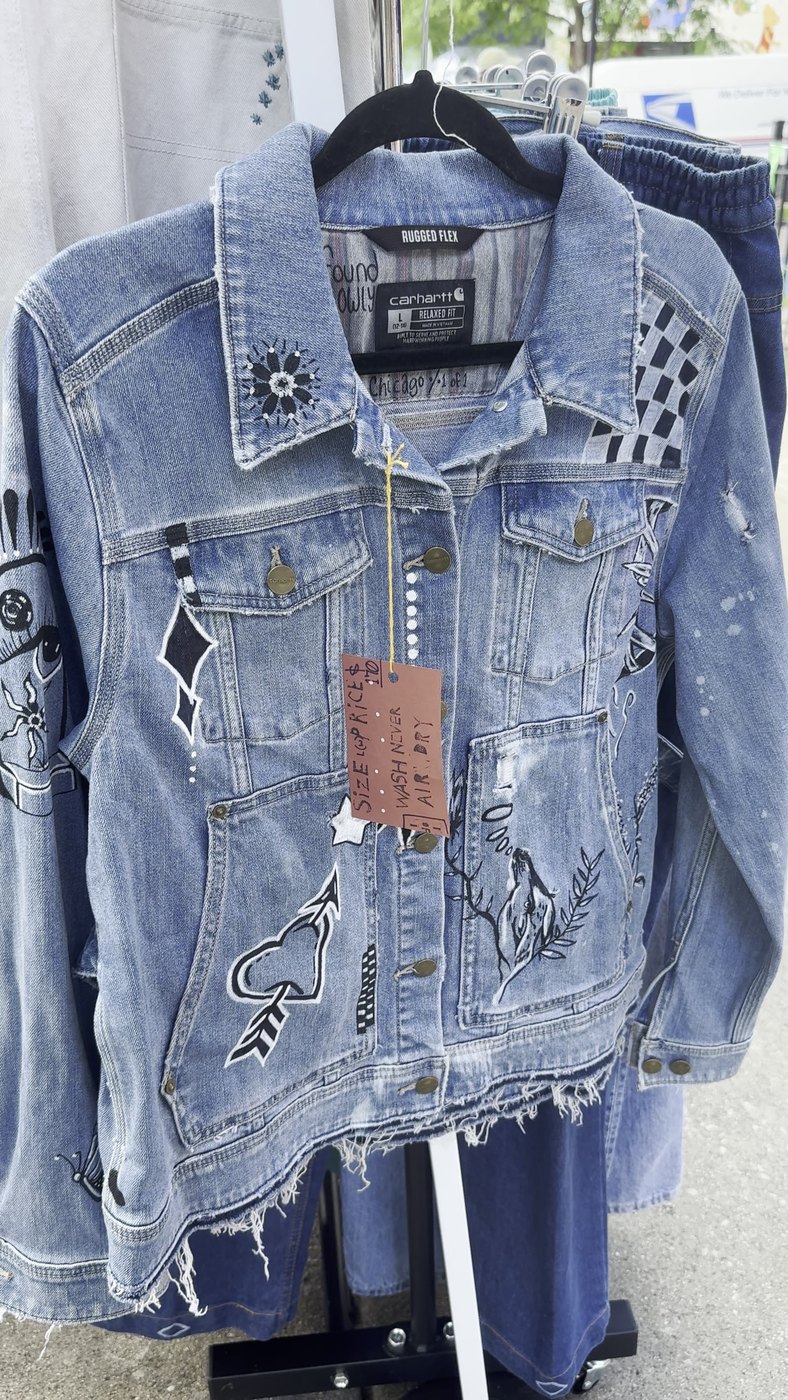
printed denim
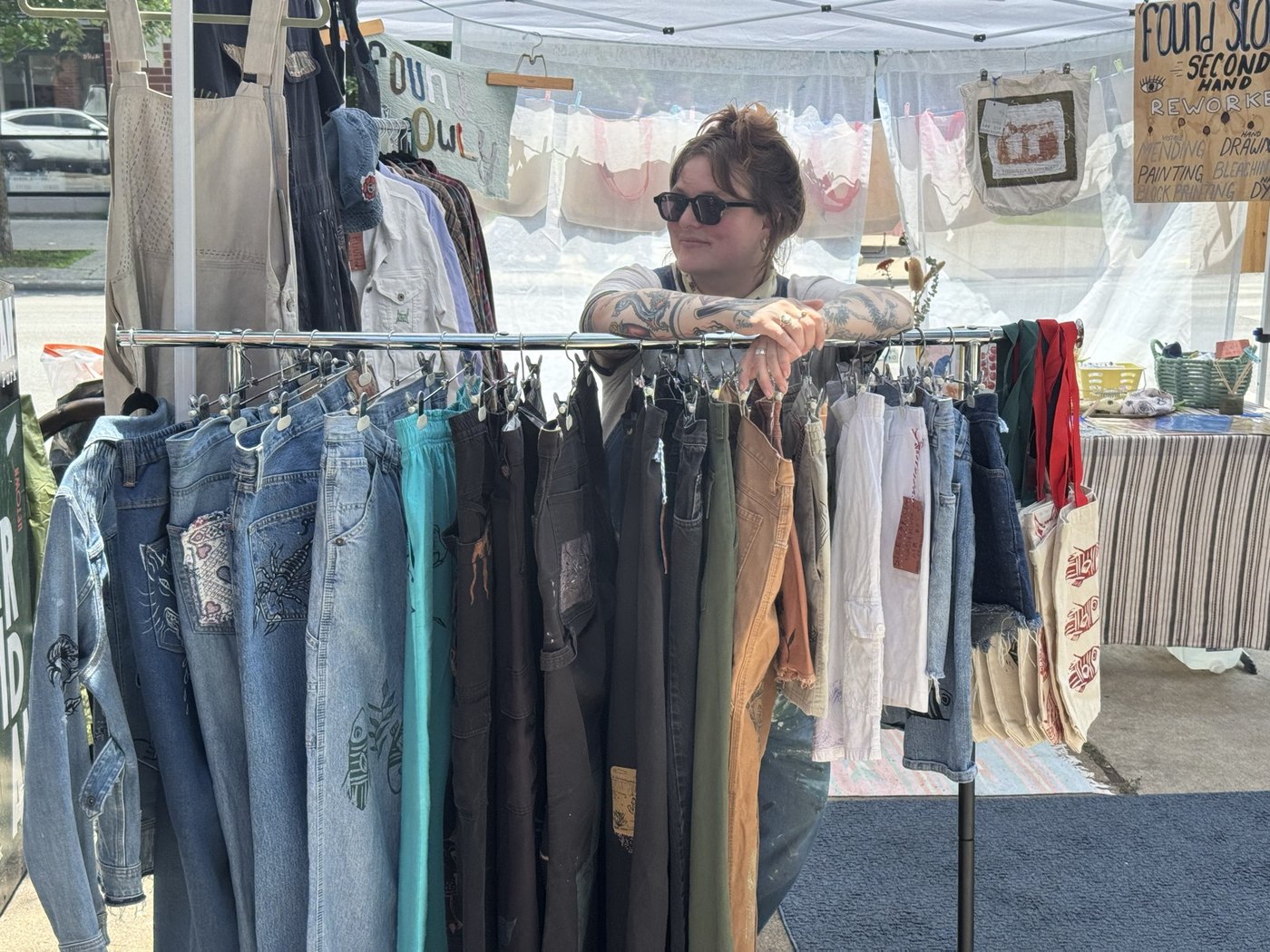
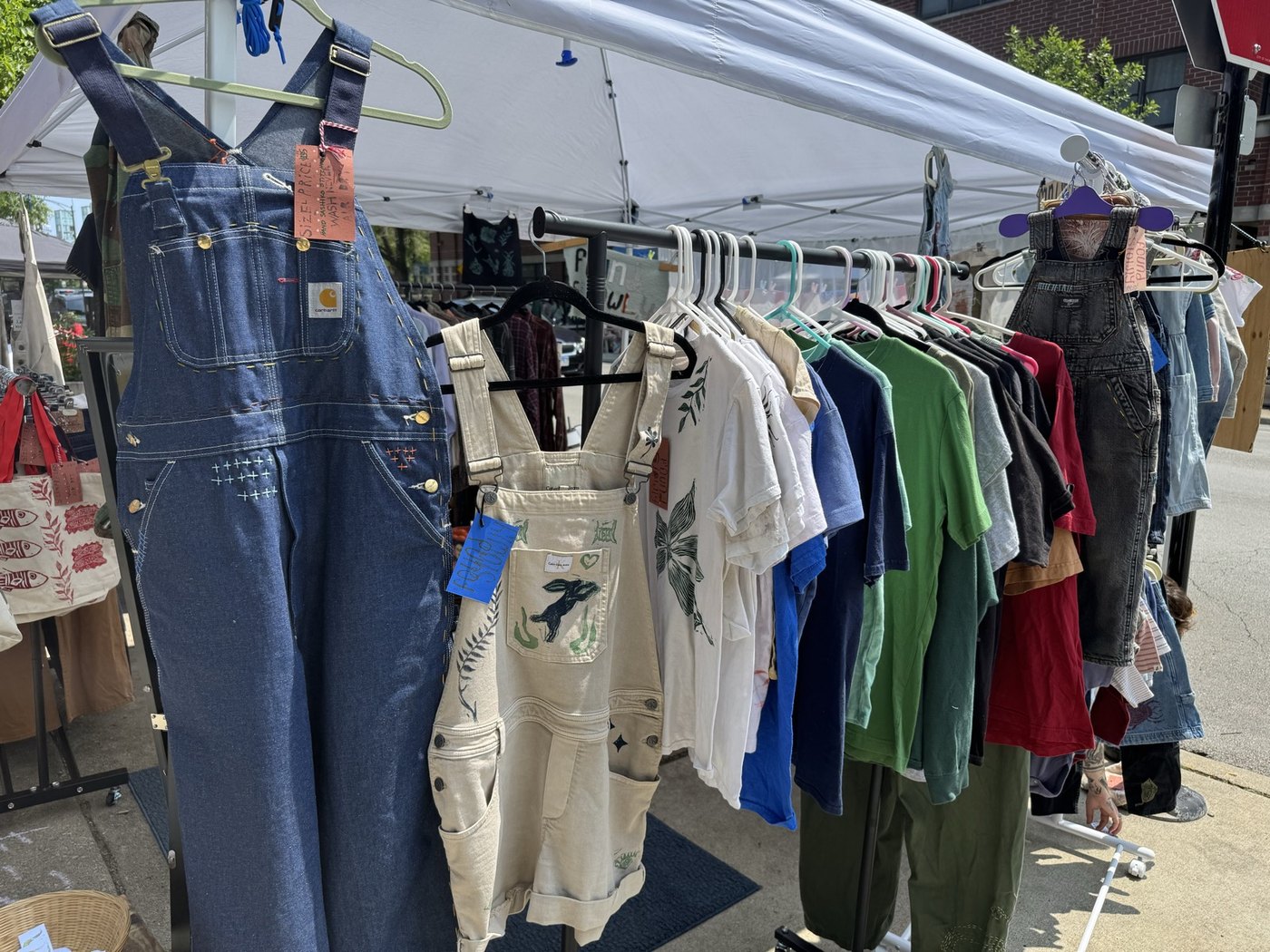
visible repair / market rack / one of one
wild sandbox / reject normal
the index
Fifty doors stay open, but they are not equal anymore. Start with the strongest candidates, then inspect the holds and curiosities on purpose.
default path
ask Taylor first
keep as evidence
repair as the point, not the apology
linocut, block print, ink by hand
ways to browse one-of-ones
texture, weave, and play
questions, care, and repairs
concept 01
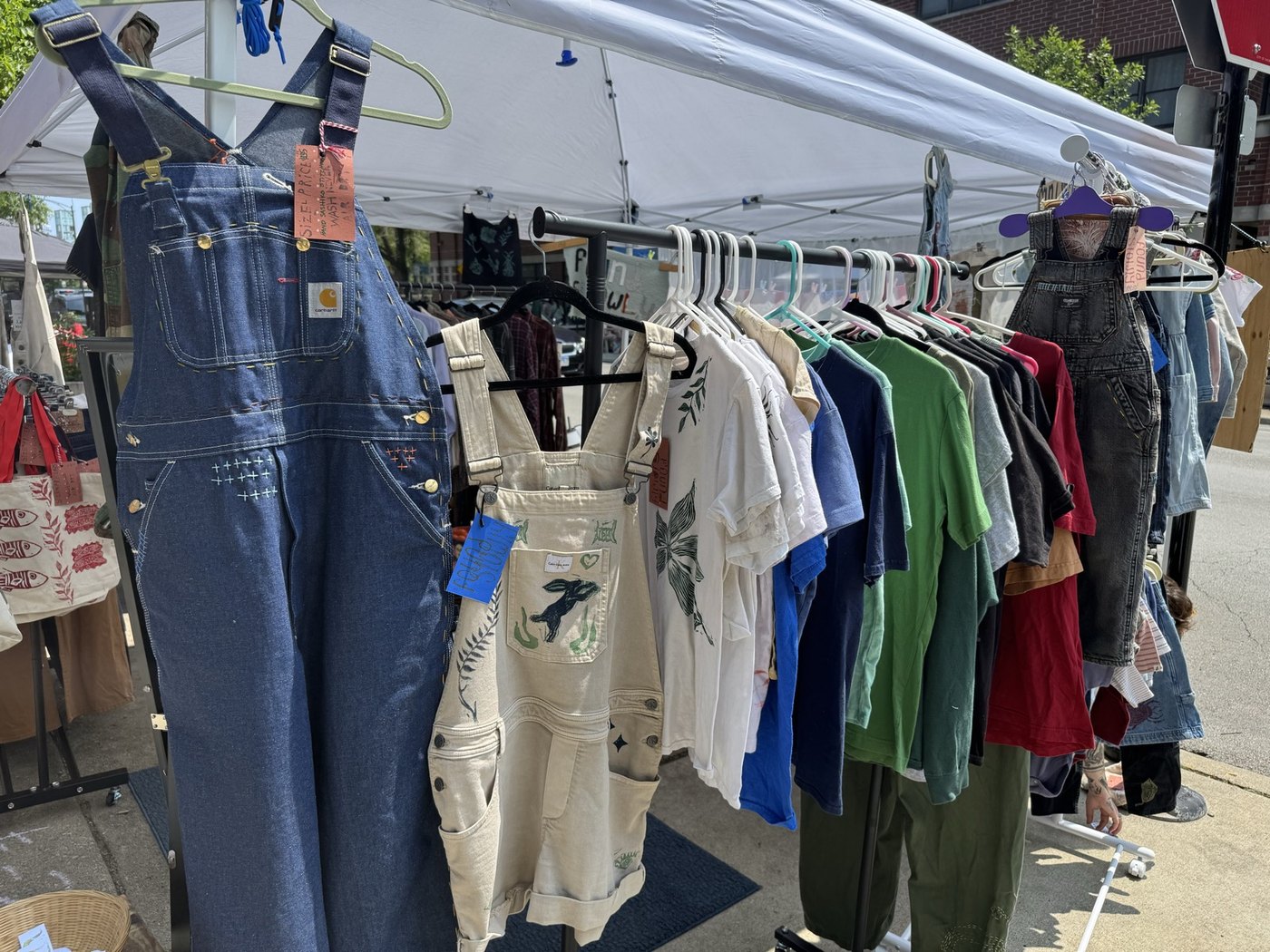
Not a hero. A market wall. Every garment gets treated like a record: intervention, size, price, where it was found, what changed.
open the rack
visible repair / market rack / one of one
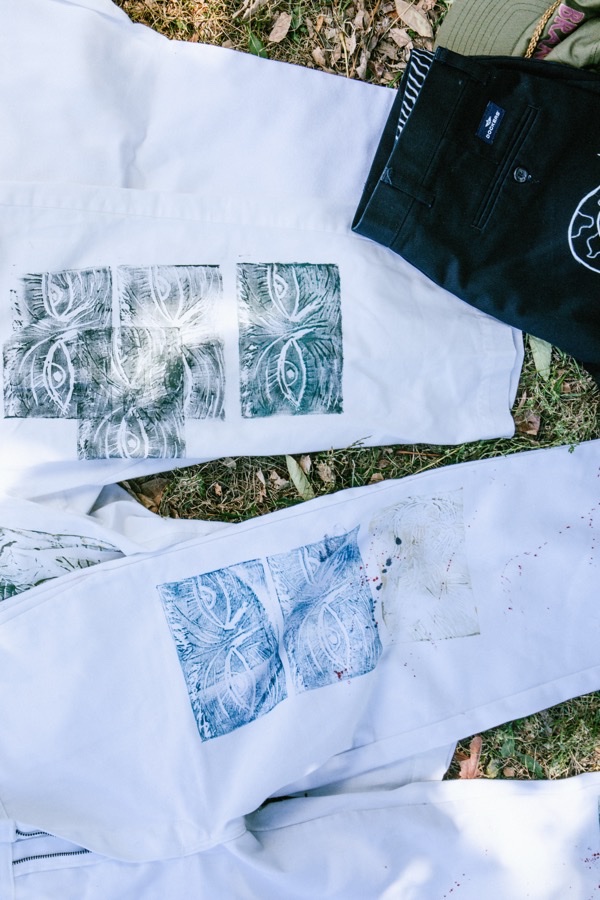
printed / patched / grass proof
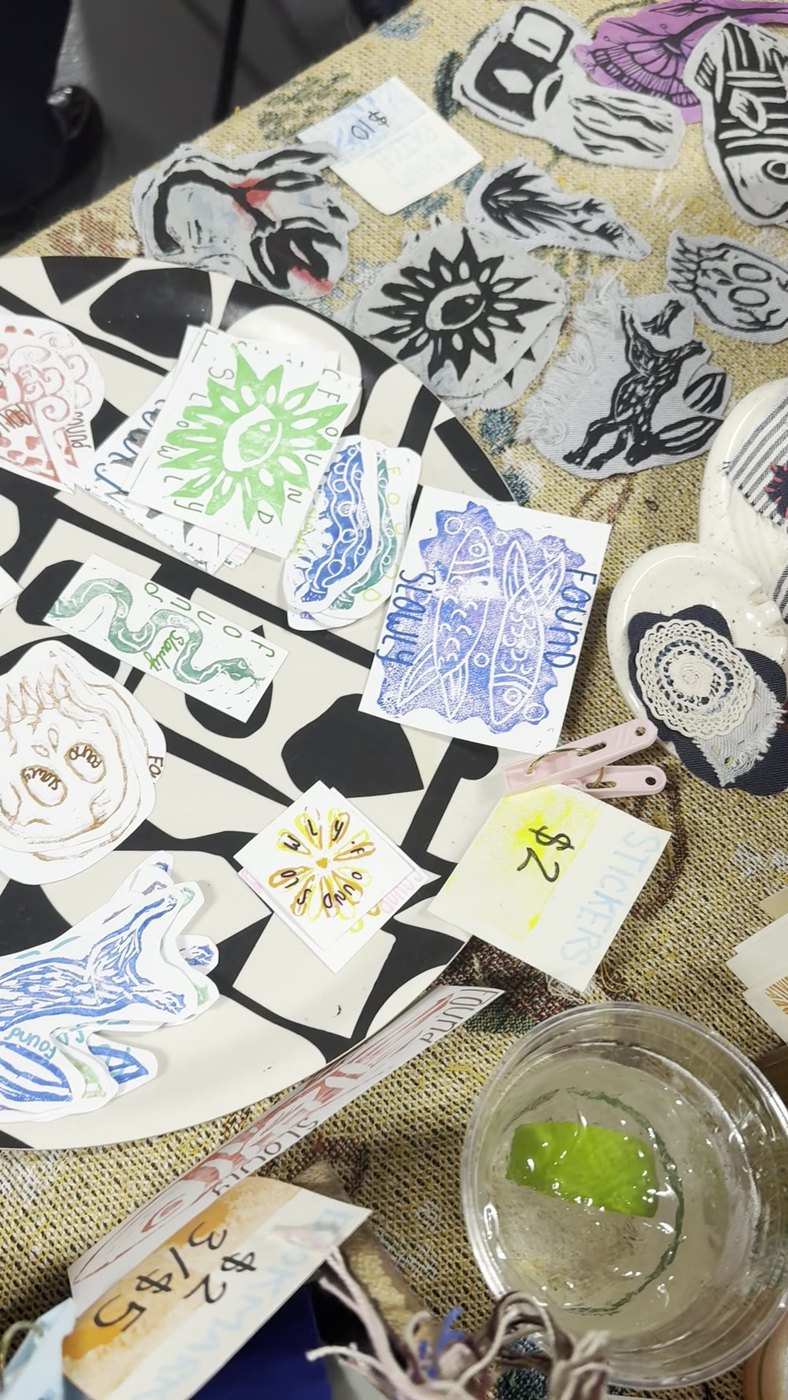
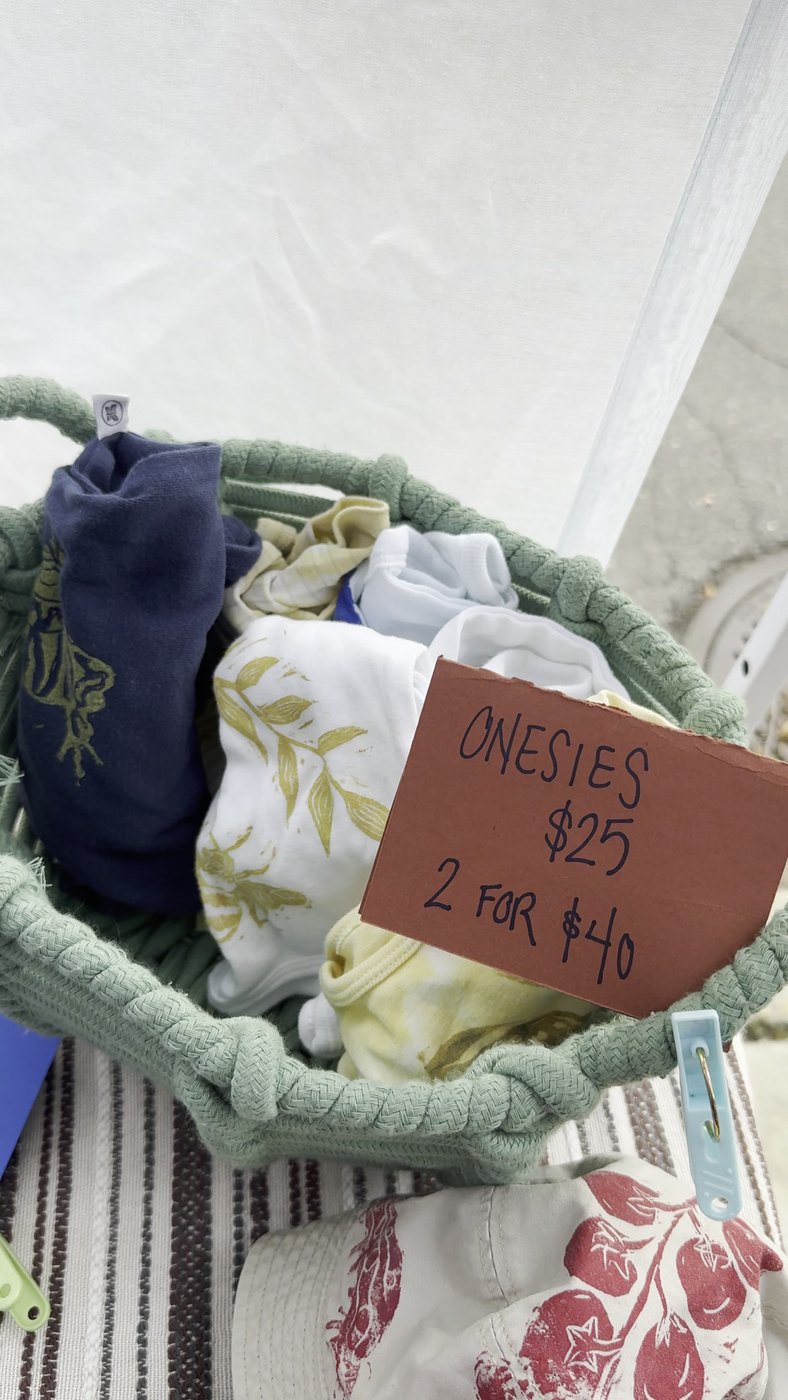
small goods / hand tags / market only
concept 02
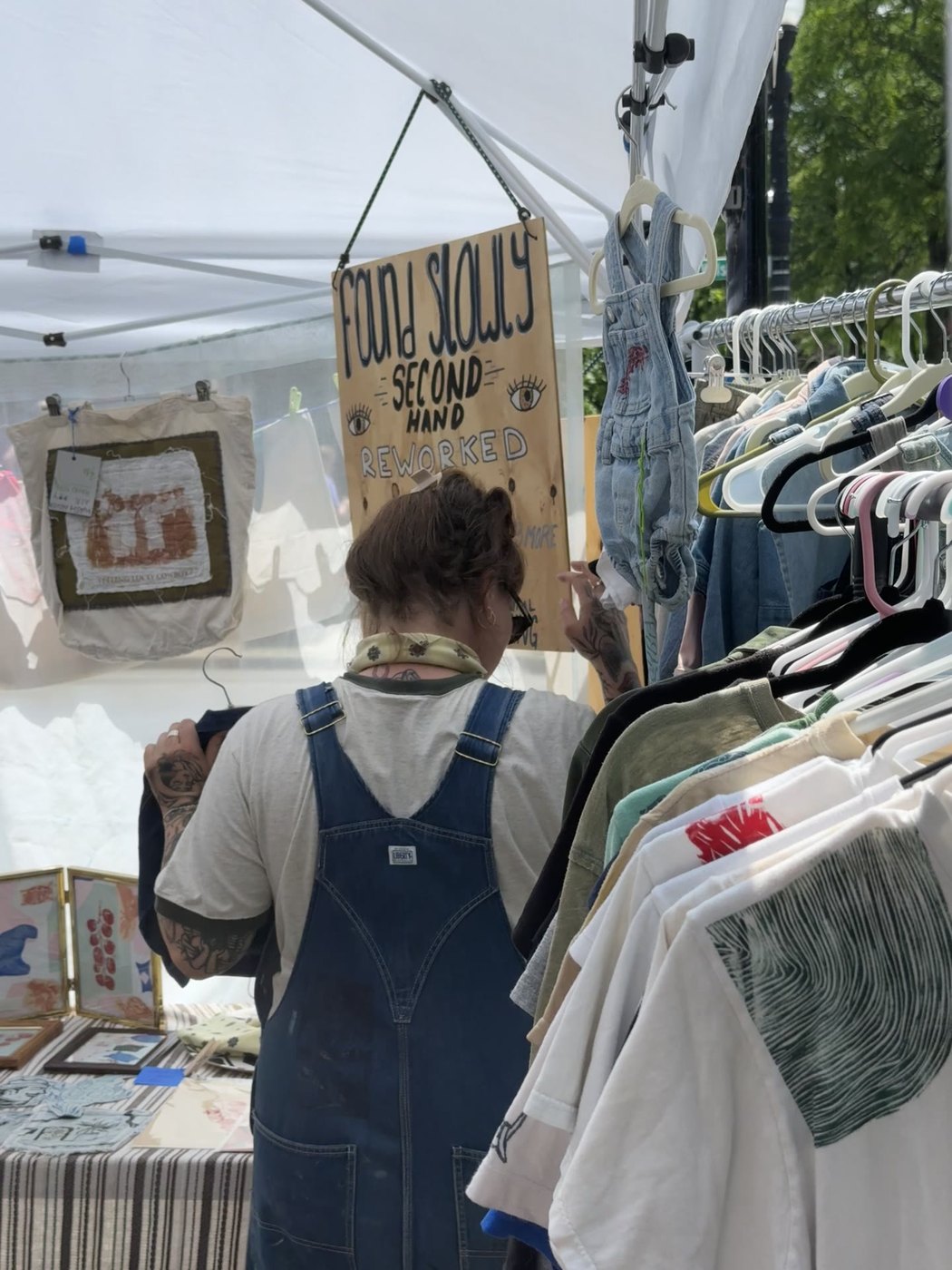
The store opens like a route through a market table: sign, rack, piece, date, claim. More installation than homepage.
concept 03
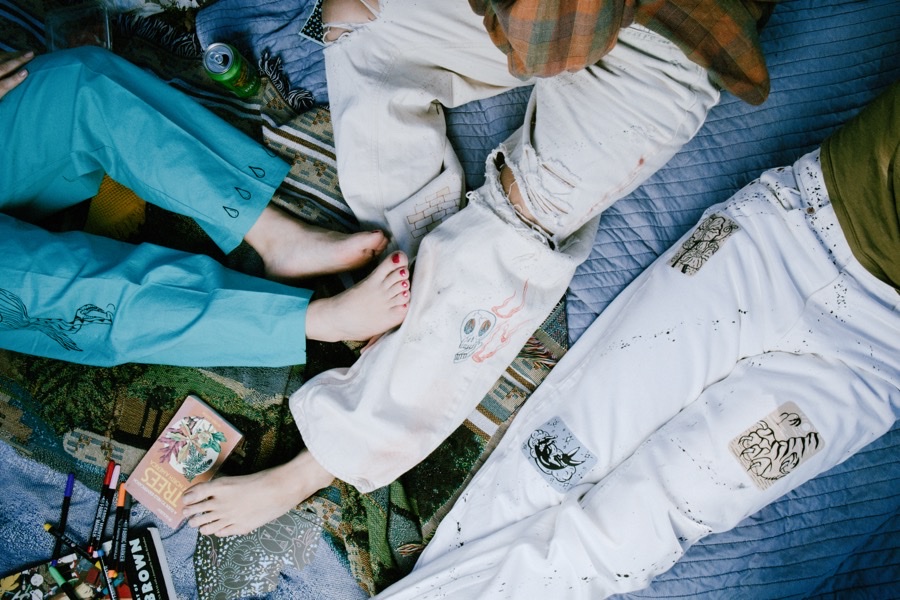
Prints, marks, tags, and surfaces stay visible. The object carries the explanation.
see printed piecesconcept 04
The whole shop hangs on a wire and moves. Stock isn't a grid — it's laundry in a breeze, pegged up, one of each, swaying until someone takes it home.

concept 05
Every repair is a fact about the garment. Flip the switch and the page stops selling a hero shot and starts diagramming the mend — where it tore, what held it, who decided it was worth saving.
01 sashiko patch
02 darned seam
03 reinforced cuff
concept 06
Drag the handle. Watch one garment travel its whole life — bought new, worn thin, given up, found, mended, and handed to you. The name is the product page.
concept 07
A stock exchange where every quantity is one. There's no "low in stock" — there's here, and there's gone. Tap a row.
concept 08
Scroll, and the marks press themselves into the page — one block, one pull, a little ink bleed each time. The site gets made in front of you.
concept 09
Drag across the seam. Left is what it was — worn thin, almost trash. Right is what it became. Same garment, one decision apart.
concept 11
The shop as cloth. Warp and weft, pieces threaded through the grid — over, under, over. Nothing floats on a white page.

concept 12
Nothing here is new, and that is the point.
Cut from whatever was lying around. Reloaded fresh every visit — no two notes the same, same as the clothes.
concept 13
The photo arrives as a printed screen — all dots and ink. Flip the switch and it develops into the real thing, the way a block print resolves once it dries.
concept 14
No grid, no order. Shove the photos around — drag them with a mouse or a finger, leave them where they land. The shop as a wall you rearrange.
concept 15
Prints and plain cloth, cut to no standard size, stitched edge to edge. A catalogue that behaves like a quilt — the seams stay showing.
concept 16
Move across this panel and you leave a running stitch behind you. The site gets sewn by whoever's looking at it.
concept 17
Pull it out of shape.
Touch a letter. The type stretches like worn elastic and snaps back — nothing here holds a rigid shape for long.
concept 18
Every piece comes in a little worn. Drag across it to de-pill the photo — rub the lint off and the garment underneath shows up clean.
drag to clear
concept 19
The shop as a tissue sewing pattern. Every category is a pattern piece — cut lines, grainline, notches — laid out the way you'd lay out a make.
repaired · cut 1 on fold
printed · cut 2
mended · cut 1
concept 20
The rack as a roll of film. Every piece is a frame; the selects get circled in grease pencil. You're reading the edit, not a tidy store.
concept 21
Not a price — a record. Every garment prints its whole life: where it was found, what was done, what it costs to keep it going.
FOUND SLOWLY
proof of life · est. one life ago
one of one · no returns to landfill
thank you for keeping it
concept 22
No pages, no next button. Grab the rail and shove the hangers along — browse the way you actually flick through a rack at market.
concept 23
The whole brand is one carved block, pressed by hand. Tap the cloth to pull a print — every press lands a little different, like the real thing.
concept 24
Scroll and the thread runs off the spool, stitching a line clean across the panel — the page assembling itself one stitch at a time.
concept 25
Nothing here is finished until you touch it. Drag the block prints onto the piece and lay them where you like — you're designing the one-of-one, not just buying it.
concept 26
Colour taking time is the right gesture. The dye practice is not confirmed, so this stays a hold: a timing study Taylor can accept, rewrite, or kill.
press & hold
concept 27
One of each means sizing is a gamble, so make it one. Spin the dial — where it lands is what we've got in that piece.
Size 4
concept 28
The little symbols on the tag are a language most of us never learned. Tap one and it says what it means — keep the piece alive by knowing how to keep it.
concept 29
Nothing here is finished the day it's found. This is the real backlog — what's waiting for a needle before it earns another life. 5 in the queue.
concept 30
Skip the size grid — shop by the colour you're after. Tap a swatch and the rack narrows to what's in that family.
concept 33
Stock doesn't drop on a schedule — it turns up. This is the feed of what's been found and pulled from the pile, newest first.
concept 34
A one-of-one has two faces and a story on the inside. Flip a piece to see the back, the mend, the mark you'd otherwise miss.
concept 35
Every piece here got saved by hand. Tap across the gap to lay the threads and weave it shut — the work behind the word "mended".
0 of 16 threads laid
concept 38
Patches are part of the practice. Pick a print, then press and hold the iron. Heat does the rest.
concept 39
Every found piece had a life before this one. Run the ripper along the seam and see what it was.
One life ago: a USMC camo jacket, standard issue, built to outlast whoever wore it. This life: camo cropped, cut to kid size, hand painted, hand stitched, patched & mended. $135, one of one.
concept 42
Secondhand means worn — we’d rather show you where. Tap a marker to see what wear looks like on found workwear, and what gets done about it by hand.
Four places this coat lived hardest. Pick one.
concept 45
Museums keep a card for every object that says exactly what it is and exactly what was done to it. We think a found piece deserves the same paperwork. Tap a field for the longhand.
One row open at a time — the desk only has room for one file.
concept 46
Every piece gets a card, filed and typed like a library kept one. Found, then hand painted, printed, patched, or mended — one of one, no two cards alike.
no. 002
USMC garment: hand painted, hand stitched, patched & mended.
1 of 5
When a piece sells, its card stays in the drawer.
concept 47
Before we cut into anything, we save the label. Eight of them, same frame, same distance — because the sameness is the point. Tap one to see what it came off of.
Eight labels, eight garments. Pick one up.
concept 48
One block, six pulls, no two alike. The block slips, the ink runs thin, the register wanders. We don’t toss those — we sell them as what they are.
pull no. 1
A clean strike. First pull off a fresh block always looks like this.
No two pulls alike, and that’s the point.
concept 49
Eight frames, one block, start to finish. Hold the corner to flip through it, or drag the slider yourself.
1 / 8
concept 50
A care card is useful, but the exact instructions and repair promise need Taylor. For now this is a mockup: pick a real technique and see the card shape.
FOUND SLOWLY
CARE
CARD
found once. worn again. foundslowly.com
concept 52
Dress it up. Every piece on the rack is a real thing we’d sell you — tap to lay it on, tap again to take it off.
Nothing on yet. Pick something from the rack.
concept 54
The block-print cat comes with a shadow built in. Drag across the scene on desktop, or pick a time of day on any screen.
The print comes with its own shadow.
concept 55
Mending and commissions are part of the shop. Ring the bell.
Tap the bell to open the intake.
the intake — three questions
Shirts, coats, quilts, stuffed animals, the good blanket — if it’s cloth and it matters to you, we’ll look at it.
Tell us plainly — a knee blown out, a zipper that quit, a stain that won’t budge. We don’t need the whole story, just the spot.
Send a note or a photo and we’ll tell you what it needs.
concept 56
The questions people actually ask us, at the market table, in the DMs, at pickup. Tap one and we answer — same way we would in person.
Ask something. The thread starts here.
concept 57
Like the pencil marks on a doorframe. Tap a size and we’ll show you what fits now — plus one rung up, for room to grow.
Pick a mark on the frame. We’ll pull what fits.
Secondhand sizes drift — when in doubt, DM @found.slowly with the usual size.
concept 61
The seasonal mechanic is a hold until it has Taylor’s real market dates, print days, and repair rhythms. Use the arrows or tap the wheel to test the shape.
JANUARY
concept 62
This is a dye-practice proposal, not shop copy. The herbarium form only graduates if Taylor confirms the plants, colors, and process.
Tap a specimen to test the interaction. Treat every color note as placeholder until Taylor confirms the dye practice.
concept 64
A note like this could fold into a piece, if Taylor wants that ritual. Until then, it is a proposal, not a shipping promise.
A note like this — handwritten, specific, a little unfinished — is a proposal for Taylor to accept, rewrite, or skip.